
National Casino tournament competition highlights leaderboards and prize fury
When we tested National Casino’s tournament pages together, the first thing that stood out was not a single slot or even the prize figure. It was the sense that the casino had turned ordinary play into a moving event. A familiar game can feel quite different when every eligible spin contributes toward a position on a leaderboard. Suddenly, a session has a visible context, other players are somewhere in the same race, and the prize pool is no longer just a banner at the top of the page.
That does not mean every player will enjoy tournaments in the same way. We found them engaging, but also slightly more demanding than a normal casino session. They reward attention. Before entering, players need to check the game list, the tournament duration, the scoring rule, minimum bet conditions, and whether an opt-in step is required. It sounds like a lot, perhaps, although after a couple of rounds the format becomes easier to read.
The most useful habit is simple: read the scoring rule before placing a spin, because a large prize pool is only meaningful when the tournament mechanics fit the way you normally play.
How leaderboard competition works in practice
National Casino-style tournaments generally build around selected slots, a defined time window, and a ranking board that updates as players collect points. During our comparison, we noticed that the leaderboard itself was often the real attraction. Watching a position move upward after a good result creates a small burst of momentum. Watching it drop after other participants play, less enjoyable obviously, makes the event feel live rather than decorative.
There are a few common scoring approaches. Some campaigns award points for winning spins, sometimes according to the multiplier achieved. Others use total wager volume, while a few focus on a predefined feature, such as bonus-round wins or a certain number of rounds played on an eligible title. None is automatically better. A multiplier-based event can be exciting for players hoping for standout moments, while turnover formats may feel more predictable to those already planning a longer session.
The difference between points and cash results
One small source of confusion deserves mention. Tournament points are not the same as cash winnings. A player can have a profitable session but place modestly on the board, or spend a quiet session building points without receiving an immediate cash return. We saw this distinction matter most in high-traffic competitions, where the leading scores could rise quickly in the final hours.
That is why the leaderboard should be treated as an extra layer of entertainment, not as a reason to chase losses or extend a budget. The competitive element can be lively and, frankly, a little distracting. Setting a spend limit before joining keeps the event in proportion.
A leaderboard position can change fast near closing time, so a temporary rank is best viewed as a snapshot rather than a promise of a prize.
Who different tournament formats suit
We came away thinking that tournament format matters more than the headline promotion. Short, sharp events often suit players who like checking in for a focused session. A day-long or weekend leaderboard gives more room to participate, but it may also attract heavier activity and higher scores. For casual players, a smaller prize pool with a simpler scoring model can sometimes be more approachable than a huge event crowded with very active entrants.
There is also a difference between players who enjoy slots for their themes and those who like the competitive overlay. The first group may want tournaments with a broad game selection. The second may prefer a single-game event, where everyone faces broadly the same volatility and mechanics. We found single-title races easier to understand, although they can become repetitive if the chosen slot is not already one you enjoy.
- Short hourly events can suit players looking for a contained session and quick leaderboard feedback.
- Weekend tournaments may appeal to regular players who prefer more time to qualify and monitor progress.
- Multiplier scoring tends to attract players comfortable with variable results and sudden rank changes.
- Wager-based scoring may feel clearer for players who prefer steady participation over isolated big wins.
None of these categories is absolute. We noticed that even casual players can enjoy a high-energy prize race if they keep expectations sensible. Conversely, someone who plays frequently may find a large tournament less appealing if the eligible games are narrow or the required minimum stake feels awkward. The best fit is usually the event that does not force a change in your normal playing pattern.
Registration and qualifying conditions
Before playing, we would check whether the tournament requires registration through the promotions section. Some campaigns enroll participants automatically, while others need an activation click. It is a minor detail, but missing it can turn a perfectly valid session into one that earns no points. We also recommend checking the currency, minimum bet, maximum eligible bet, and whether bonus funds or free spins count toward qualification.
These details are not especially glamorous, yet they are where a tournament becomes either player-friendly or mildly frustrating. Clear rules make the experience smoother. When terms are presented in plain language, we can decide in a minute whether an event is worth joining. When rules feel buried, the excitement tends to fade before the first spin.
Prize pools, prize fury, and realistic expectations
Prize fury is a fair description of the atmosphere around a large casino tournament. A climbing pool, colourful rankings, countdown timer, and top-place rewards can create urgency very quickly. We understand the appeal. The shared prize pool gives players an additional reason to return to the same games, and the chance of a reward beyond standard game payouts adds texture to the experience.
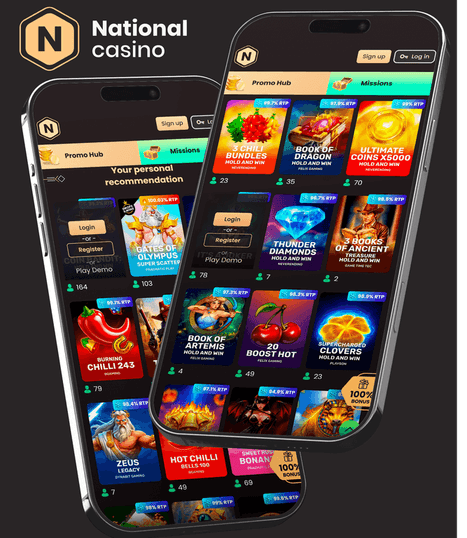
Still, the headline pool should be read alongside the payout structure. A tournament offering a substantial total sum may distribute prizes across hundreds of places, which can be welcoming for mid-table participants. Another event may concentrate most of its value in the first few positions. We do not see one method as universally preferable. A top-heavy leaderboard creates drama, while a broader payout model can make a modest ranking feel more worthwhile.
Our impression was that prize transparency makes the biggest difference. Players should be able to see how many positions receive an award, what those awards are, and when funds or bonus prizes are credited. If the reward is a cash amount, the experience is straightforward. If it is a bonus or a free-spin bundle, the related wagering terms deserve a quick look before anyone treats it as equivalent to withdrawable balance.
- Check whether prizes are cash, bonus funds, free spins, or a mixture of rewards.
- Look at the number of paid leaderboard places, not only the total prize pool.
- Confirm the event end time and the expected prize-crediting period.
- Keep an eye on game eligibility, since a slot may appear in the lobby but not qualify for every race.
The most enjoyable tournament is usually not the biggest one, but the one with understandable rules, eligible games you already like, and a prize structure that feels realistic for your level of play.
The social side of a mostly solo activity
Online casino play is usually private, so leaderboards introduce an unusual shared element. We are not directly playing against another person in the traditional sense, but the ranking creates that impression. A player at position 48 becomes part of the story. A last-hour climb becomes part of it too. It is light competition, yet it can make routine slot sessions feel less isolated.
At the same time, we would not overstate the social aspect. There is rarely the depth of a multiplayer game, and that is probably fine. The leaderboard works best as a background pulse. You can check it between spins, see where you stand, then return to the game without feeling obliged to stay glued to the ranking page.
Conclusion
Conclusion. National Casino tournament competition is most appealing when the leaderboard adds excitement without changing the way we would normally play. We found that short events, clear scoring, transparent prize distribution, and familiar eligible slots make for the most comfortable experience. Larger prize pools can be thrilling, certainly, but they are not automatically the better choice. A tournament suits a player when its pace, rules, and required spend feel natural. With a set budget and a quick read of the terms, leaderboards can turn an ordinary casino visit into a lively, nicely competitive session.